Biomechanics and Computer Science
The synergies between biomechanics and computer science are multifold.
Biomechanics of Movement provides an excellent primer for the computer scientist interested in human and animal movement. Combining established theories with quantitative approaches, the book highlights synergies between the two fields.
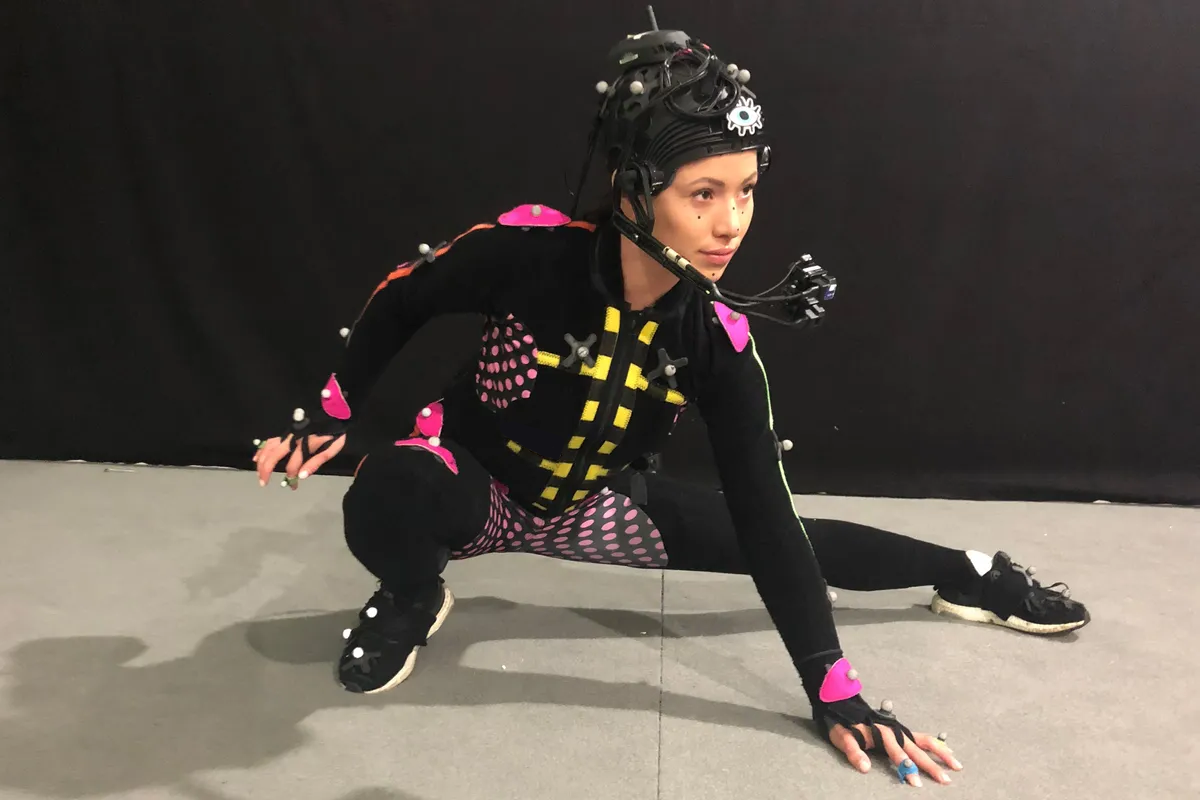

Filmmakers and biomechanists use motion capture technology to create computer-generated imagery (CGI) for games and movies, as shown in this image from the movie Avatar. These measurement and analysis techniques are described in detail in Chapter 7. Even without data, characters can be animated using optimization, the focus of Chapter 9.
For runners, the shoes they wear and the surface they run on are critical elements that influence running times and injury risk. Tuned indoor running tracks, like those at Harvard and Madison Square Garden, and running shoes like Nike's Vaporfly, have incorporated the biomechanical concept of elastic energy storage into their designs to improve running performance. Chapter 3 discusses these examples and, more generally, the role of elastic energy and ground reaction forces in running.
Muscle redundancy refers to our body's ability to use many different combinations of muscles to accomplish a task. To solve the muscle redundancy problem, computer simulations of movement rely on numerical optimization techniques. Chapter 9 guides the reader through the elements of a generic optimization problem. It discusses different optimization methods, including steepest-descent and the covariance matrix adaptation evolution strategy, as well as the tradeoffs between static and dynamic optimization.
Learn more about Biomechanics of Movement and ...




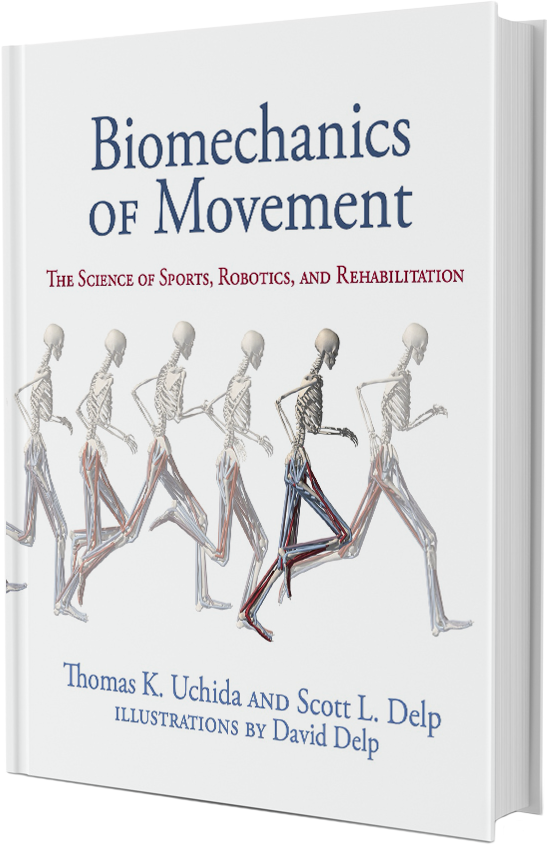
Biomechanics of Movement
The Science of Sports, Robotics, and Rehabilitation
by Thomas K. Uchida and Scott L. Delp
Illustrations by David Delp
Here you will find resources to deepen your knowledge of biomechanics and connect you with the vibrant communities and technologies that are redefining the field.
Published by MIT Press