Biomechanics of Rehabilitation
Understanding biomechanics can help you improve the effectiveness of rehabilitative treatments for those with limited mobility.
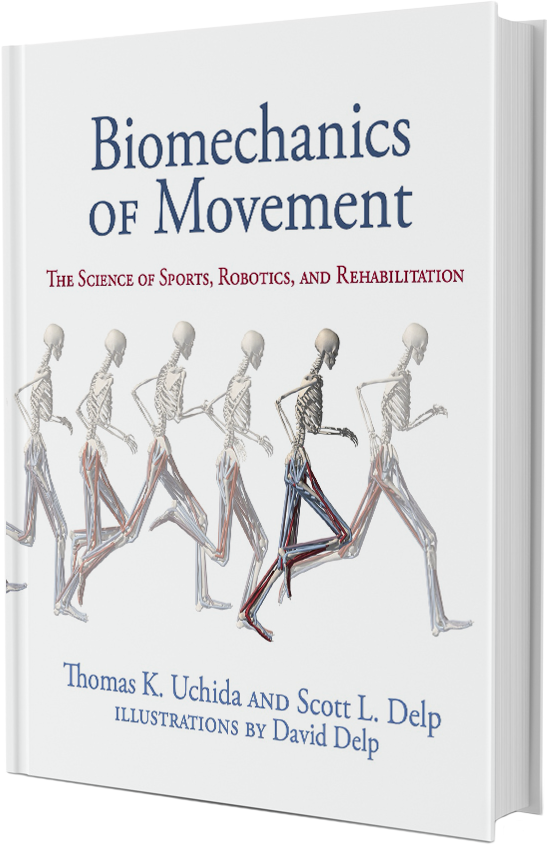
Millions of people live with conditions such as osteoarthritis, low back pain, and Parkinson's disease, which limit their mobility. Physical rehabilitation provides exercises and devices to help these individuals regain their mobility and improve their quality of life. Biomechanics of Movement explains the underlying biological and biomechanical concepts, such as muscle activation dynamics and moment arms; understanding these concepts can help you design more effective rehabilitative treatments. These concepts are beautifully illustrated by research-based examples, reflecting Scott Delp's years of conducting biomechanics research for rehabilitation.
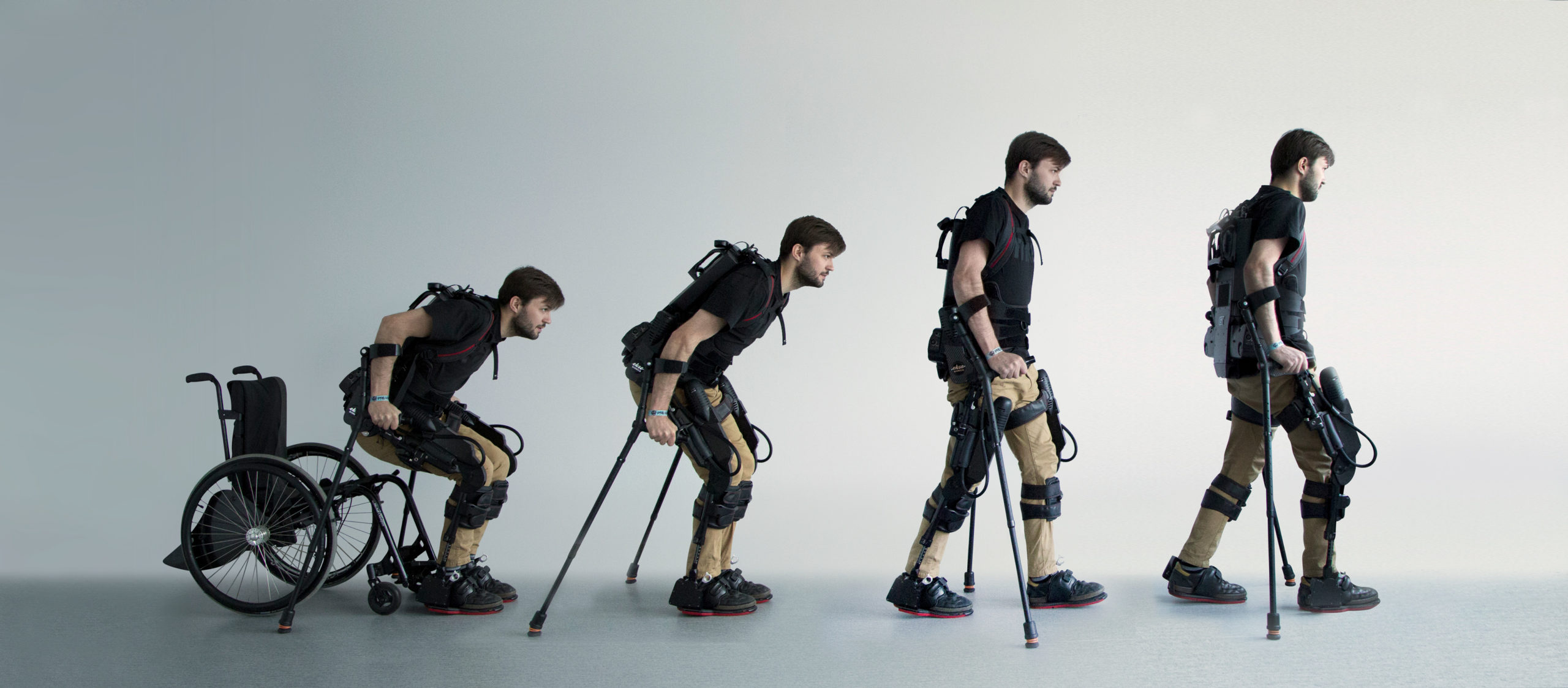
Exoskeletons are built to help patients with stroke and spinal cord injury regain the ability to walk. Chapters 2 and 11 explain the principles of walking, how we coordinate our muscles to walk efficiently, and how we can design devices and treatments to restore mobility.
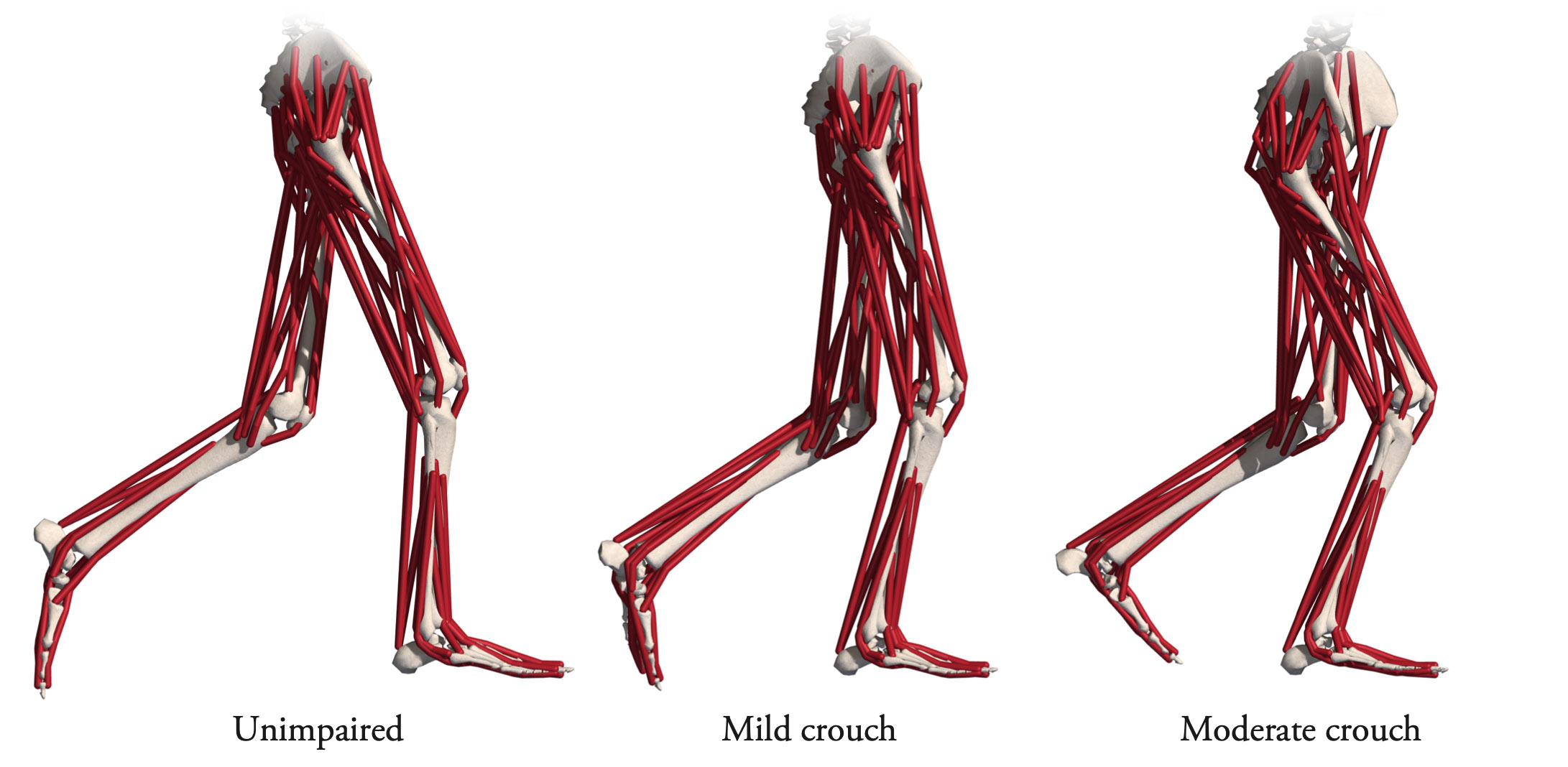
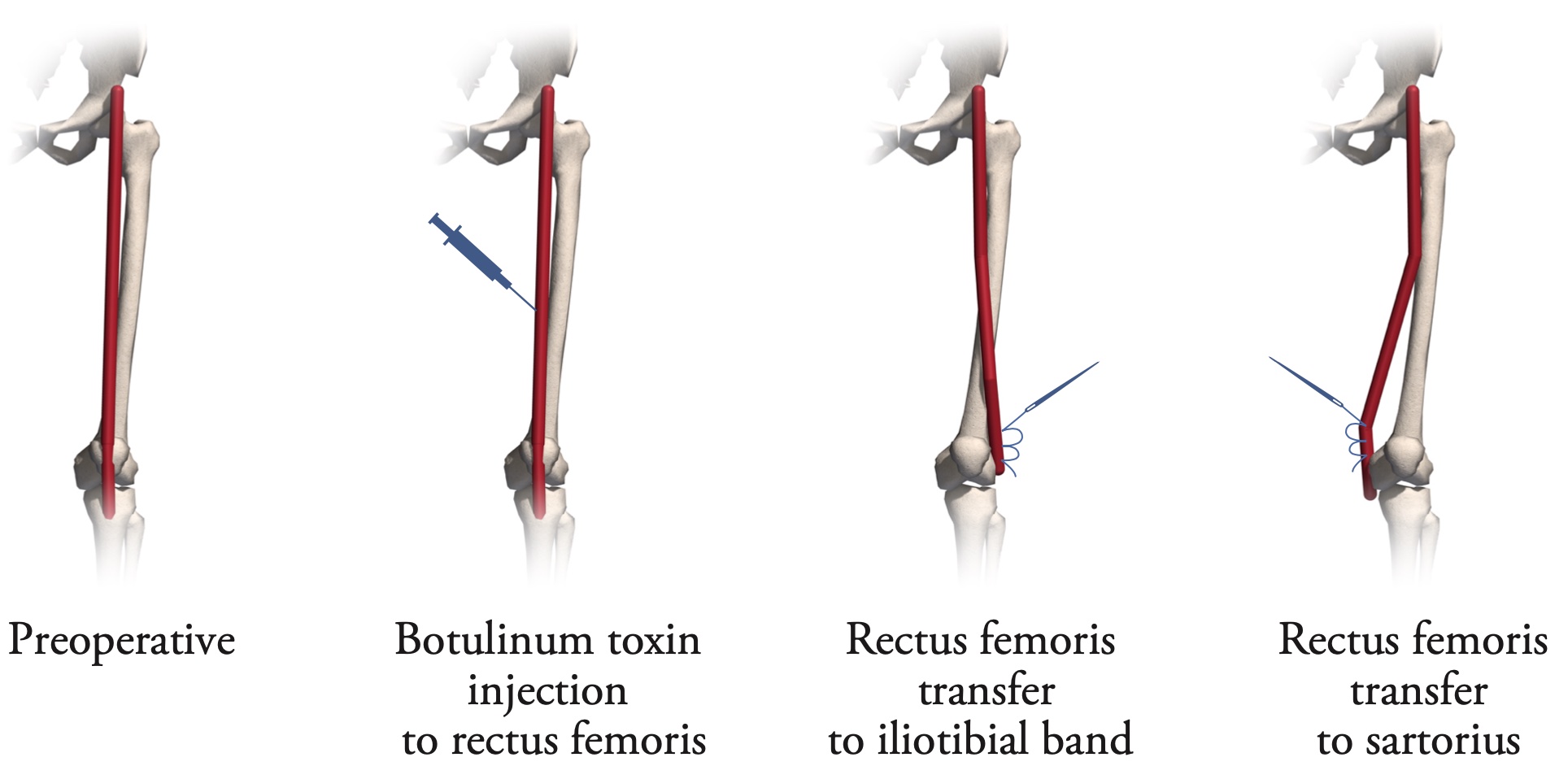
Some children with cerebral palsy walk with a crouch gait, which can lead to fatigue and knee pain. Chapter 11 discusses muscle-driven simulations of walking and highlights their use to assess the impact of various interventions, such as surgery, physical therapy, and braces, on those with movement impairments.
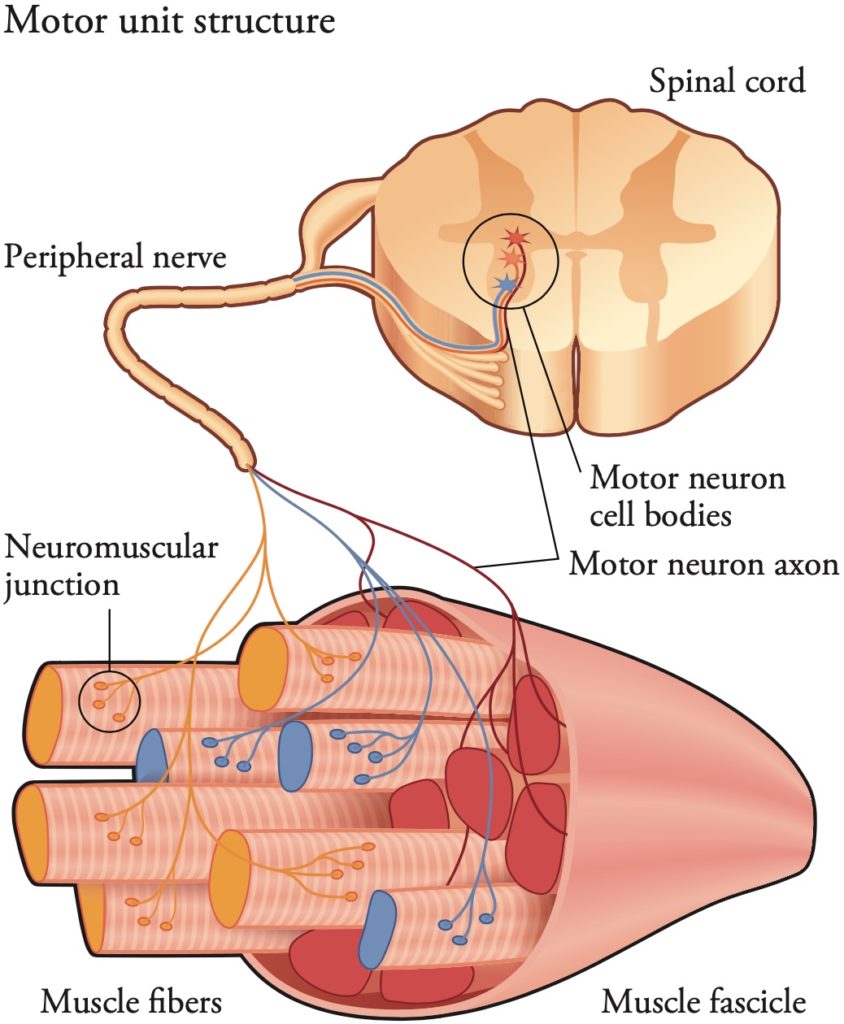
Functional electrical stimulation applies small electrical pulses to activate muscles and generate movement in individuals with paralysis. However, externally applied electrical signals recruit muscle motor units differently than the body does, resulting in less effective movement. Chapter 4 describes the muscle biology and forces that explain this effect.
Learn more about Biomechanics of Movement and ...


Biomechanics of Movement
The Science of Sports, Robotics, and Rehabilitation
by Thomas K. Uchida and Scott L. Delp
Illustrations by David Delp
Here you will find resources to deepen your knowledge of biomechanics and connect you with the vibrant communities and technologies that are redefining the field.
Published by MIT Press